The Voyage of the Beagle
Science
Science in this topic will revisit the processes of adaptation, inheritance and evolution in animals. Children will learn about who Charles Darwin was, what he studied and how it is still relevant today. Children will work scientifically by using the skills of classification and pattern spotting – reflecting on animals, plants and humans.
Children will experiment with creating their own classifications, tracking inheritance patterns through family trees and designing animals with adaptations to survive in chosen environments.
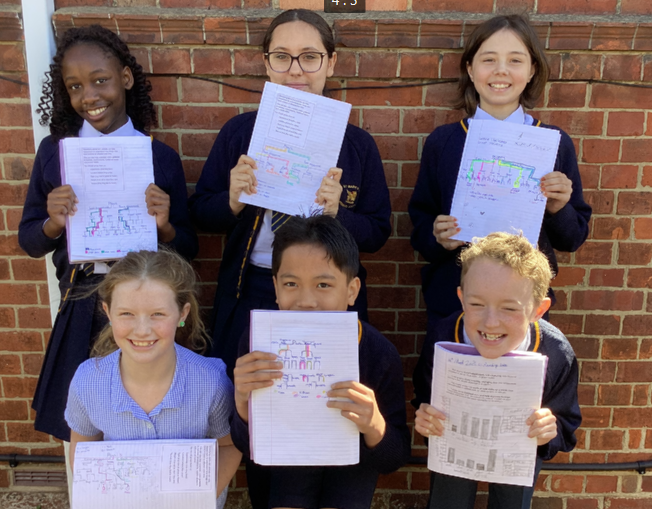
Here are some of our Diamond Detectives! We explored our school grounds to find different plants and our class worked together to design and complete classification keys for each one.
Art
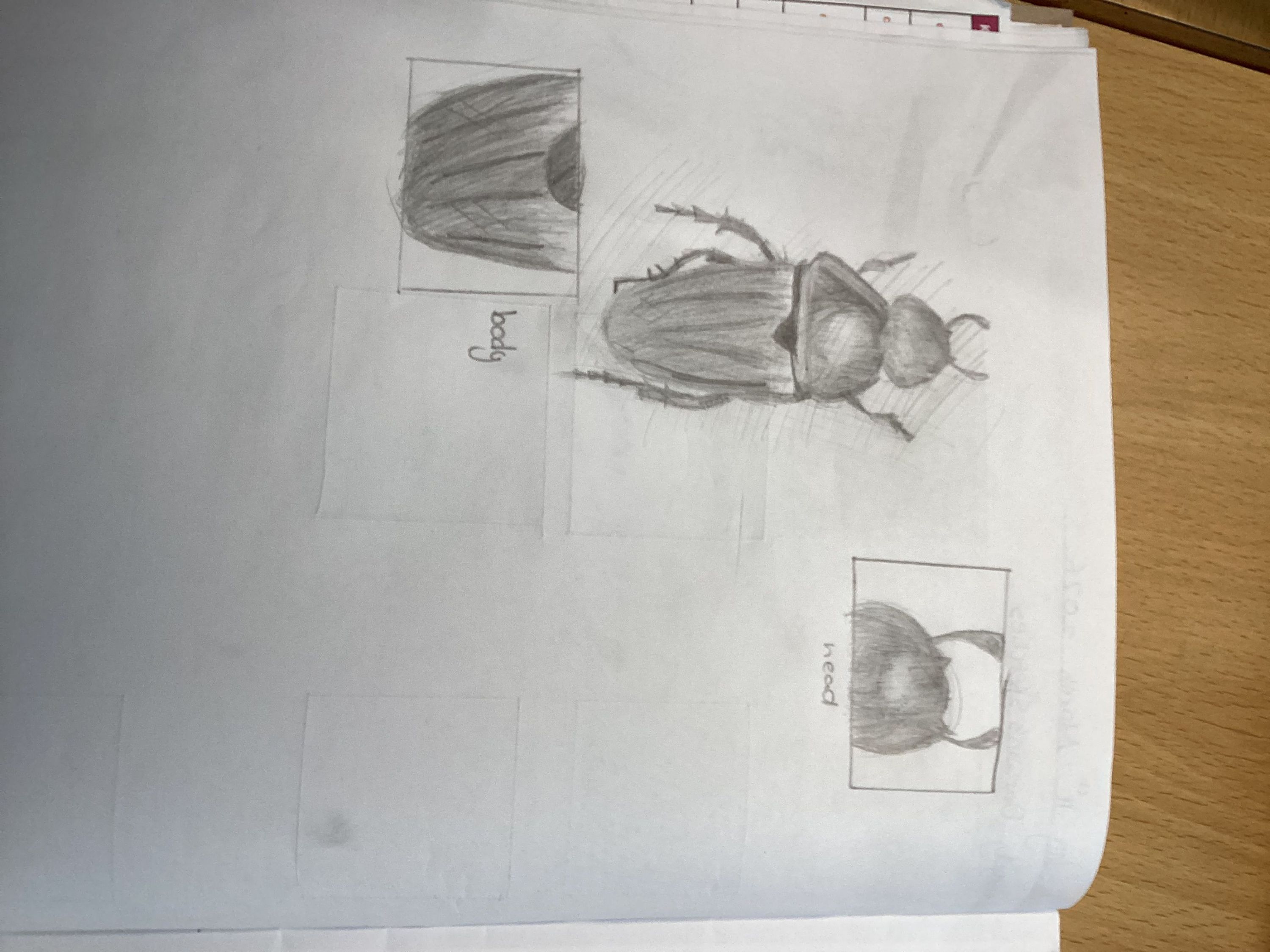
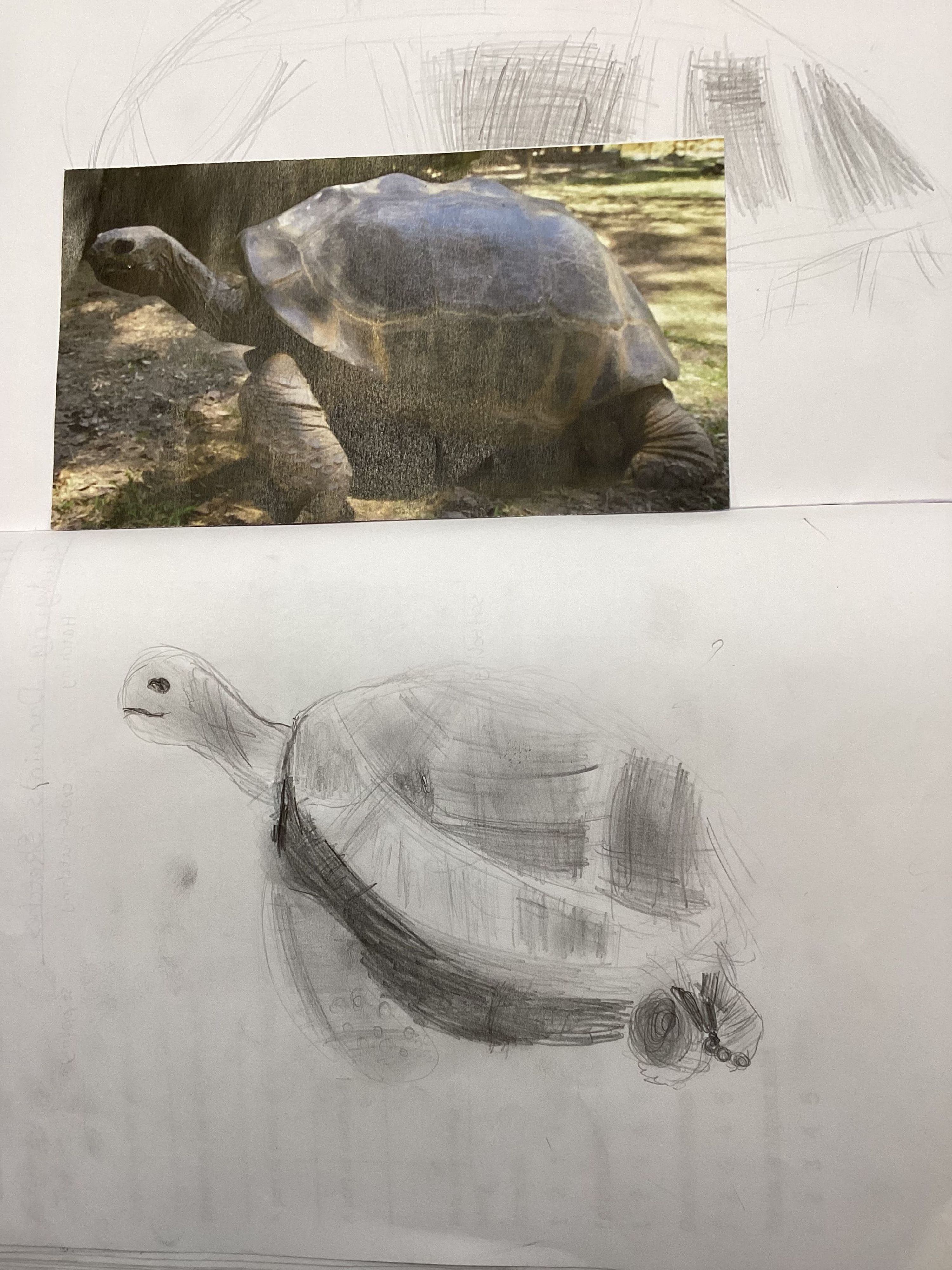
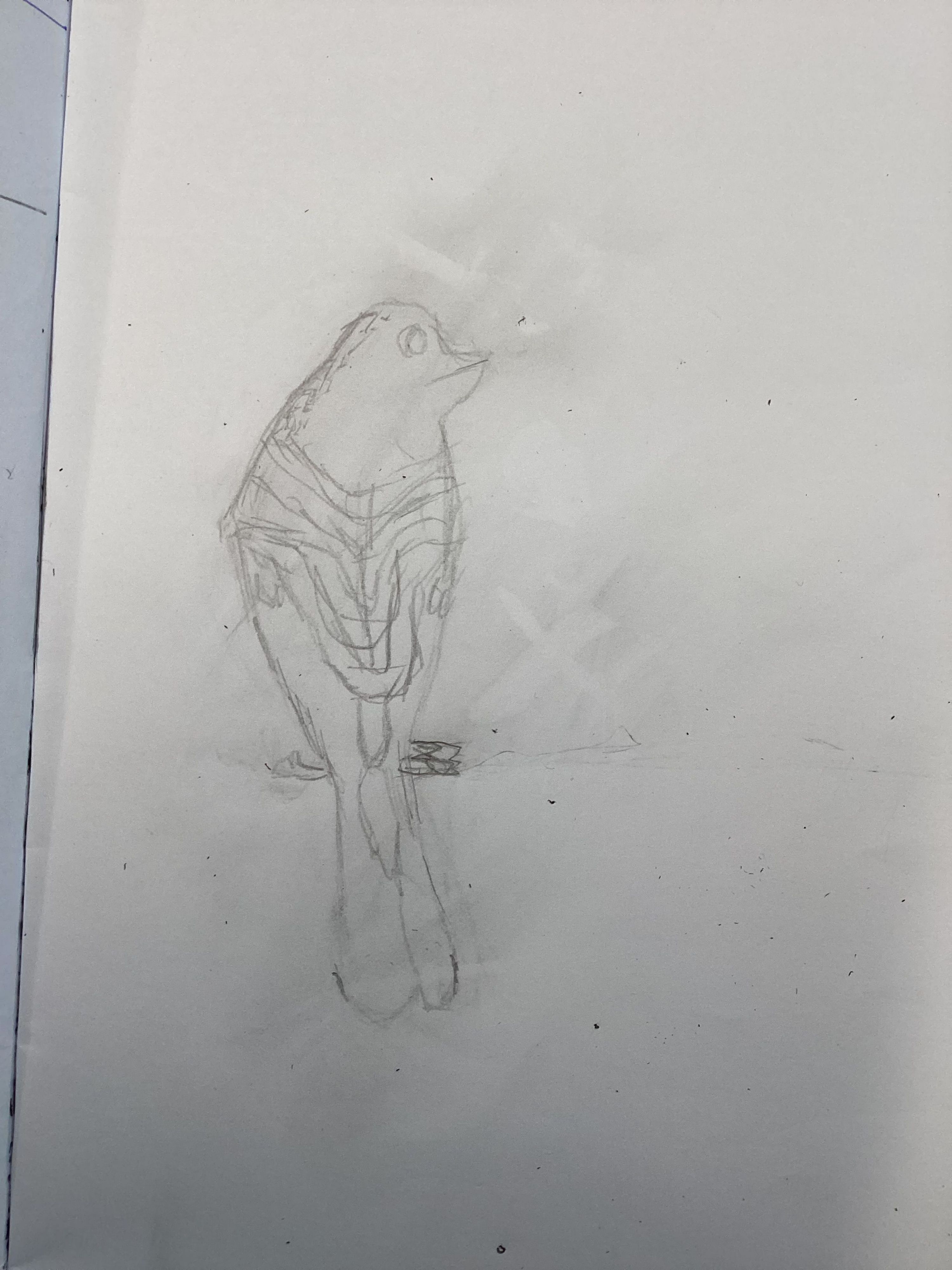
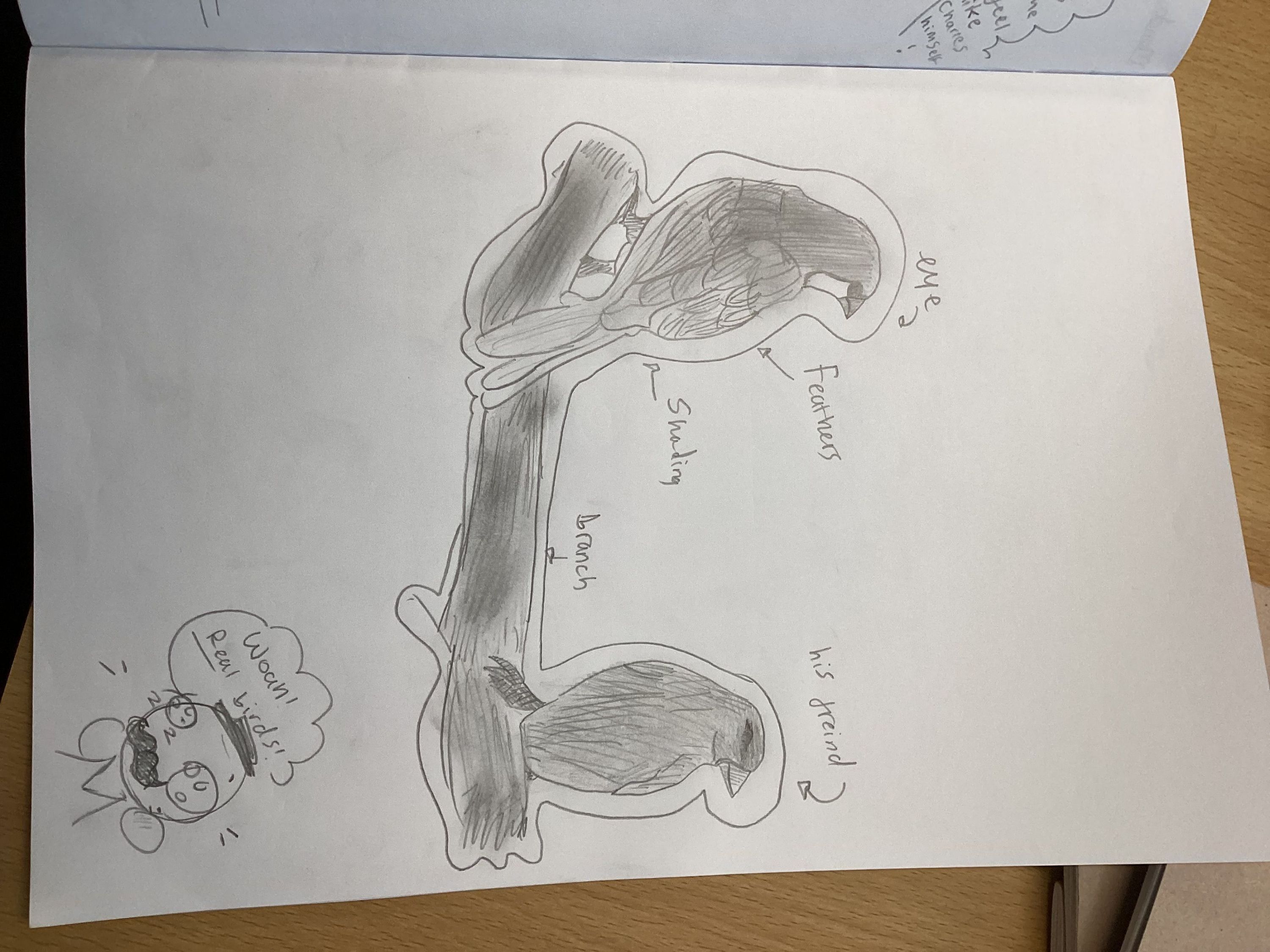
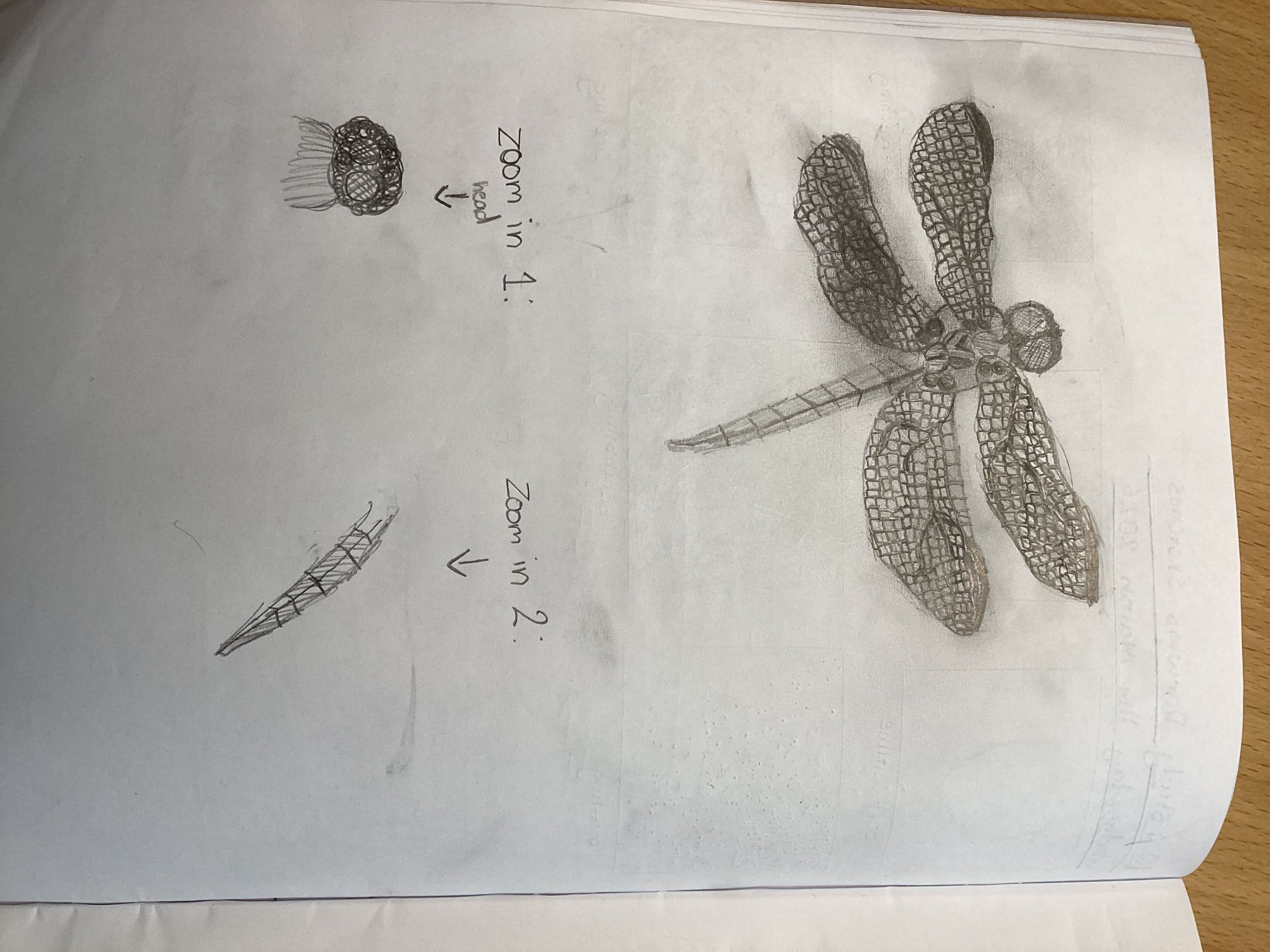
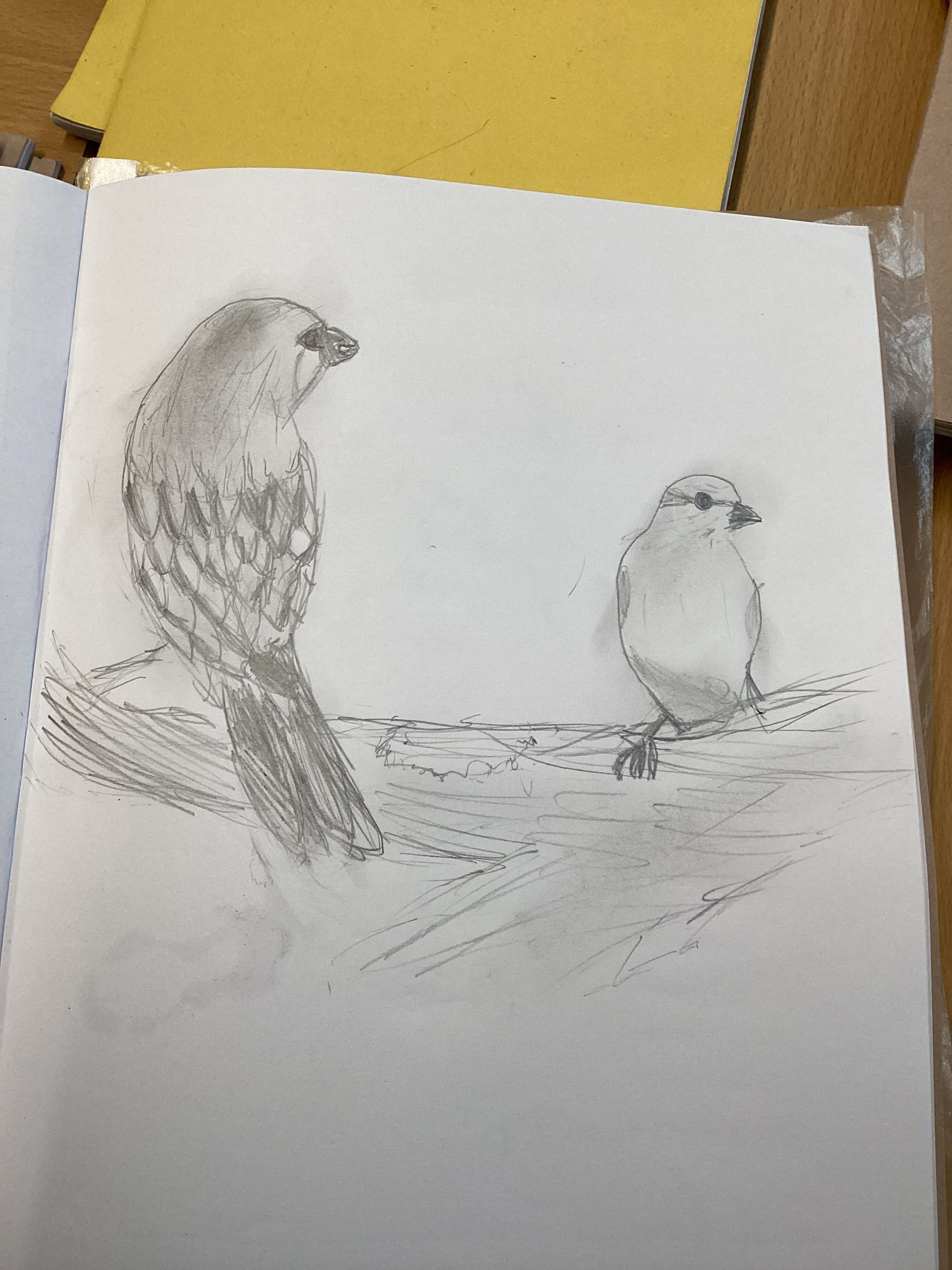
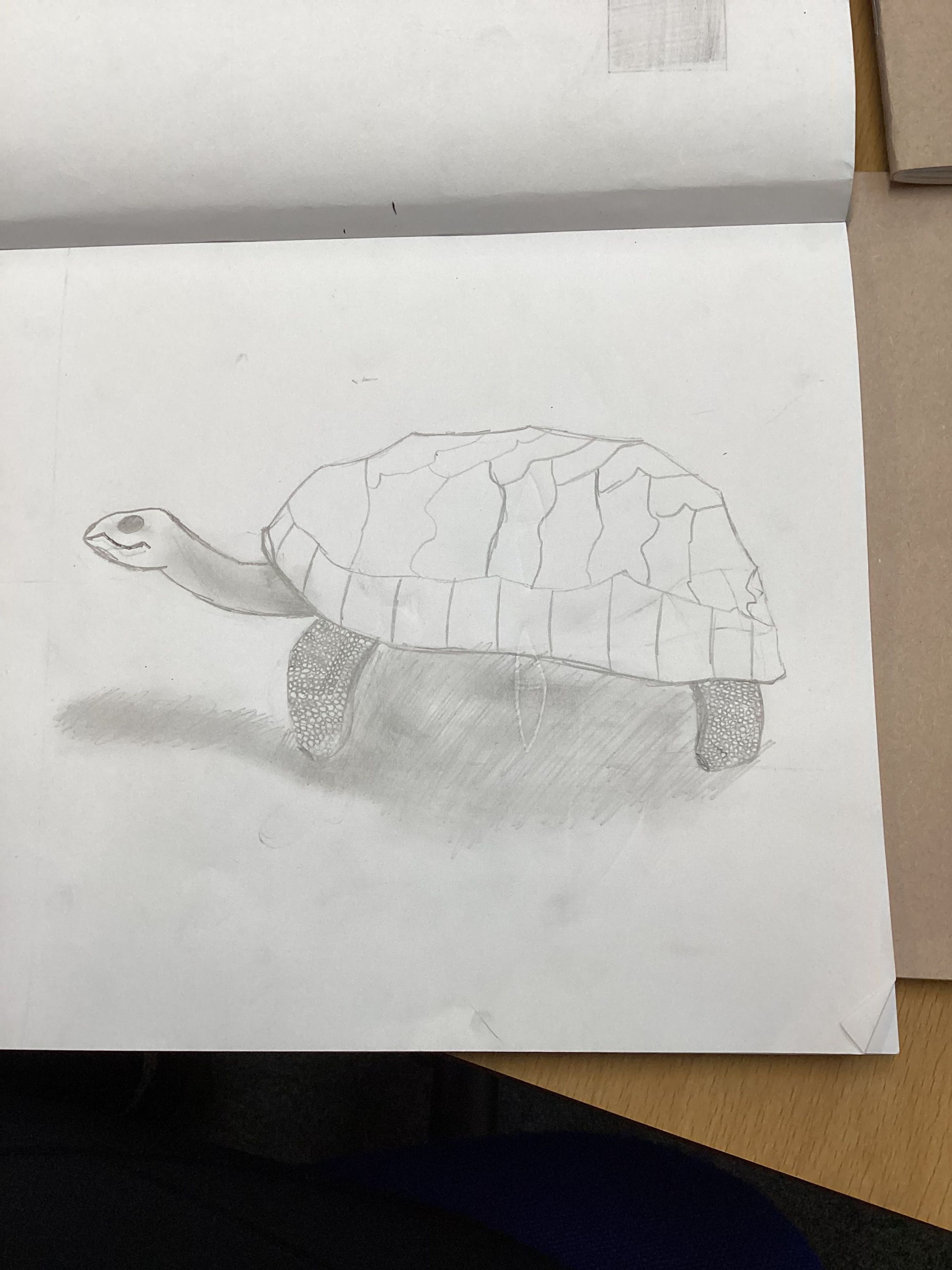
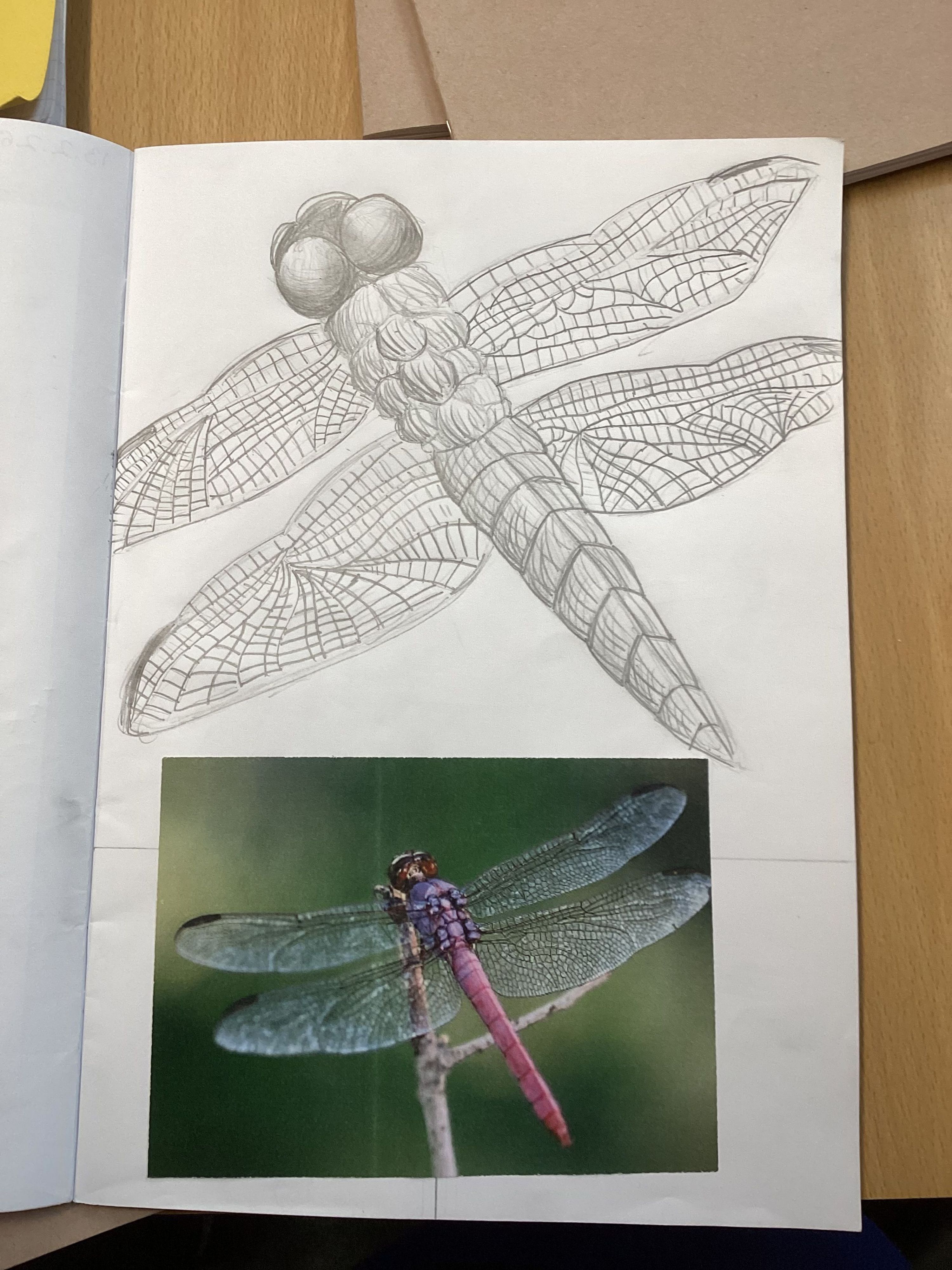
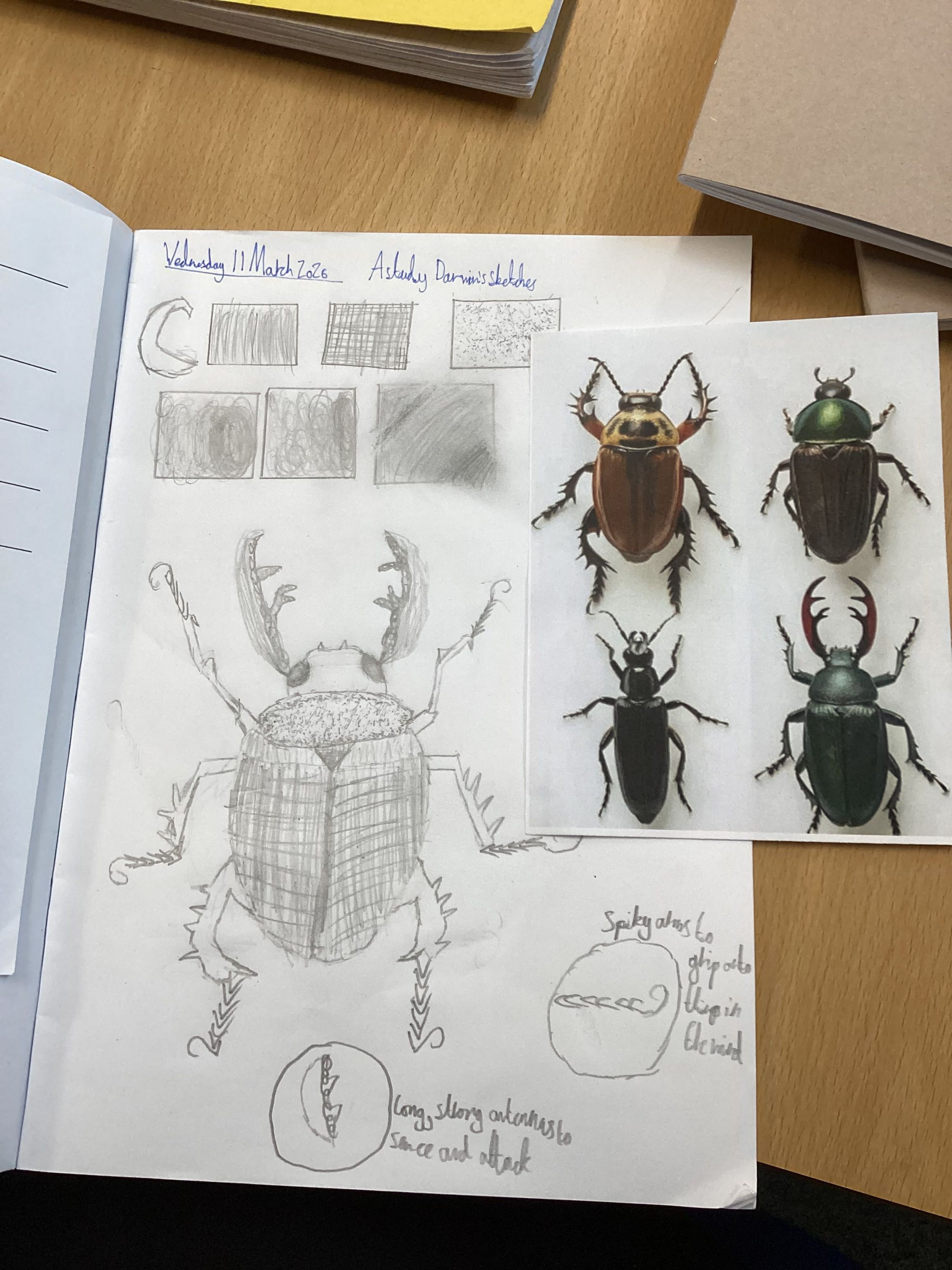
After studying Darwin's original sketches from the Gelapogos Islands, the children will begin a study of sketching techniques – building to producing their own nature sketches. We will practice and refine techniques for shading, hatching, measuring proportion and noticing still-life details before choosing a subject for their final piece.